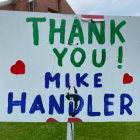
First Selectman Kevin Moynihan said Thursday that he had received complaints regarding Emergency Management Director Mike Handler’s conduct prior to seeking his resignation. Asked during a press briefing what was the issue that led to Handler’s ouster, Moynihan said, “Respect.”
“Respect for co-employees,” he said during the briefing, held via videoconference.
Health officials “among others” had lodged complaints, Moynihan said. Asked what were the nature of the complaints, he said, “You can’t crush other people and expect them to work as colleagues.”
The sudden news of Handler’s resignation, made Wednesday at Moynihan’s request, traveled quickly through the community and drew strong reactions. On social media, many have voiced concerns about the dismissal of a volunteer who has been in regular communication with residents on town-wide outcalls during the COVID-19 public health emergency.
Asked during the briefing about feedback saying Handler’s resignation is regrettable given how much he has done for the town, Moynihan replied, “It’s regrettable that his conduct caused it, so you have to put the blame where it belongs.”
Yet it remains unclear just what Handler did, how his conduct merited pushing him out of an Emergency Operations Center that he himself helped steer during the ice storm of December 2008 or whether complaints about him amounted to a pretext for his dismissal. In a statement issued late Wednesday, Moynihan said Handler’s job was to “coordinate and communicate as the ‘voice’ of the EOC, but not as the ultimate decision maker,” adding, “Throughout any crisis, and especially during this pandemic emergency, decisions must be made after thoughtful and respectful discussion and debate.”
Asked during the briefing what decisions Handler had made or attempted to make that weren’t in his purview as emergency management director, Moynihan said he never asserted such.
In an email sent to EOC members Wednesday morning that was obtained by NewCanaanite.com, Moynihan said that he asked Handler to step down “due to a disagreement over his handling of the Covid testing and his treatment of staff and other personnel.”
Moynihan opened Thursday’s briefing by complaining about an article breaking news of Handler’s ouster based on that email.