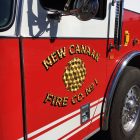
New Canaan Fire Marshal: Change Clocks, Check Smoke and Carbon Monoxide Alarms

[Paul Payne is the New Canaan fire marshal.]

As daylight saving time comes to an end, New Canaan Fire Services reminds residents to use the time change on Sunday, November 1, as an opportunity to check their home fire safety devices and ensure their families are protected. Changing the clocks is a great reminder to test smoke and carbon monoxide (CO) alarms and replace batteries when needed. Working alarms provide an early warning that can save lives by giving residents valuable time to escape a fire or dangerous carbon monoxide exposure. Smoke and carbon monoxide alarms are essential components of home safety. Taking a few minutes to test your alarms, replace batteries when needed, and make sure the devices are working properly can make a lifesaving difference.

New Canaan Fire Marshal on Electrical Safety This Halloween

[Paul Payne is the New Canaan fire marshal.]

Halloween decorations, inflatable displays, animated figures, fog machines, and decorative lighting can make the holiday memorable. However, improper installation or use can create electrical hazards. Outdoor equipment may be exposed to rain and damp conditions, and cords across walkways can pose tripping risks for residents and trick-or-treaters. The New Canaan Fire Marshal’s Office urges residents to make electrical safety part of their Halloween plans. 

Use GFCI Protection Outdoors 

Ground-fault circuit interrupter (GFCI) protection helps reduce the risk of electrical shock by interrupting power when an imbalance is detected. Use GFCI-protected outlets or a properly rated GFCI cord set for outdoor decorations.

New Canaan Fire Marshal: Fire Pit Safety

[Paul Payne is New Canaan’s fire marshal.]

Enjoying a fire outdoors can be a wonderful way to gather with family and friends, but even a small fire can become dangerous when conditions or safety practices are overlooked. Before lighting your fire pit, chiminea, or campfire, please review these important guidelines from our New Canaan Fire Marshal’s office. Following these precautions helps protect your home, your neighbors, and our community while allowing everyone to safely enjoy an outdoor fire. 

 No building permit is required unless a permanent structure and/or lap or natural gas is installed. A burning permit is not required however the same rules would apply; Burning will not be permitted if the Forest Fire Danger is rated high, very high or extreme and/or high wind days. When the air quality index is high according to the DEEP no burning will be allowed.

New Canaan Fire Marshal: Stand-by Generator Hazards

[Paul Payne is the New Canaan fire marshal.]

As we continue to deal with the aftermath of the July 4th storm, it is a good time to review generator safety. Past experiences show that many residents have generators at their homes that if not installed and used properly can pose a serious threat. The primary hazard is carbon monoxide or ‘CO’ poisoning from the toxic engine exhaust.  

Following is a list of do’s and don’ts for portable and stationary generator use and installation:

Make sure that a building permit has been obtained from the Building Department for the installation of a standby generator. When choosing generator location, make sure it is located a minimum of 10 feet from any building opening (windows, doors etc.). Close all windows adjacent to the generator to prevent toxic fumes from entering the home.

Fire Marshal: CO Incidents in New Canaan

[Paul Payne is the New Canaan fire marshal.]

In the recent weeks there have been multiple carbon monoxide incidents in New Canaan. Here is some general information from our Fire Marshal’s Office concerning carbon monoxide safety for you, your family and friends. Carbon Monoxide or ‘CO’ safety relies on a system involving:  

Ensuring that you have functioning CO detectors on all floors of your residence  
Avoiding running gas-powered equipment inside or near the residence 
Evacuating the residence if the CO Detector activates and then calling 911 for NCFD response.  

Carbon monoxide is a byproduct of incomplete combustion and is dangerous to health when someone is exposed to elevated readings. It is odorless and colorless, and without a carbon monoxide eetector you will not know that you have been exposed to CO until you present with symptoms.  

If you are exposed to high levels of CO it can lead to unconsciousness and even death. The symptoms of CO exposure are:

Headache 
Nausea
Dizziness / Light Headedness 
Fatigue

There are a few things that you can do to protect yourself:

Install CO Detectors on every level of your home 

Read the instructions, as larger homes may require more than one detector per floor.